
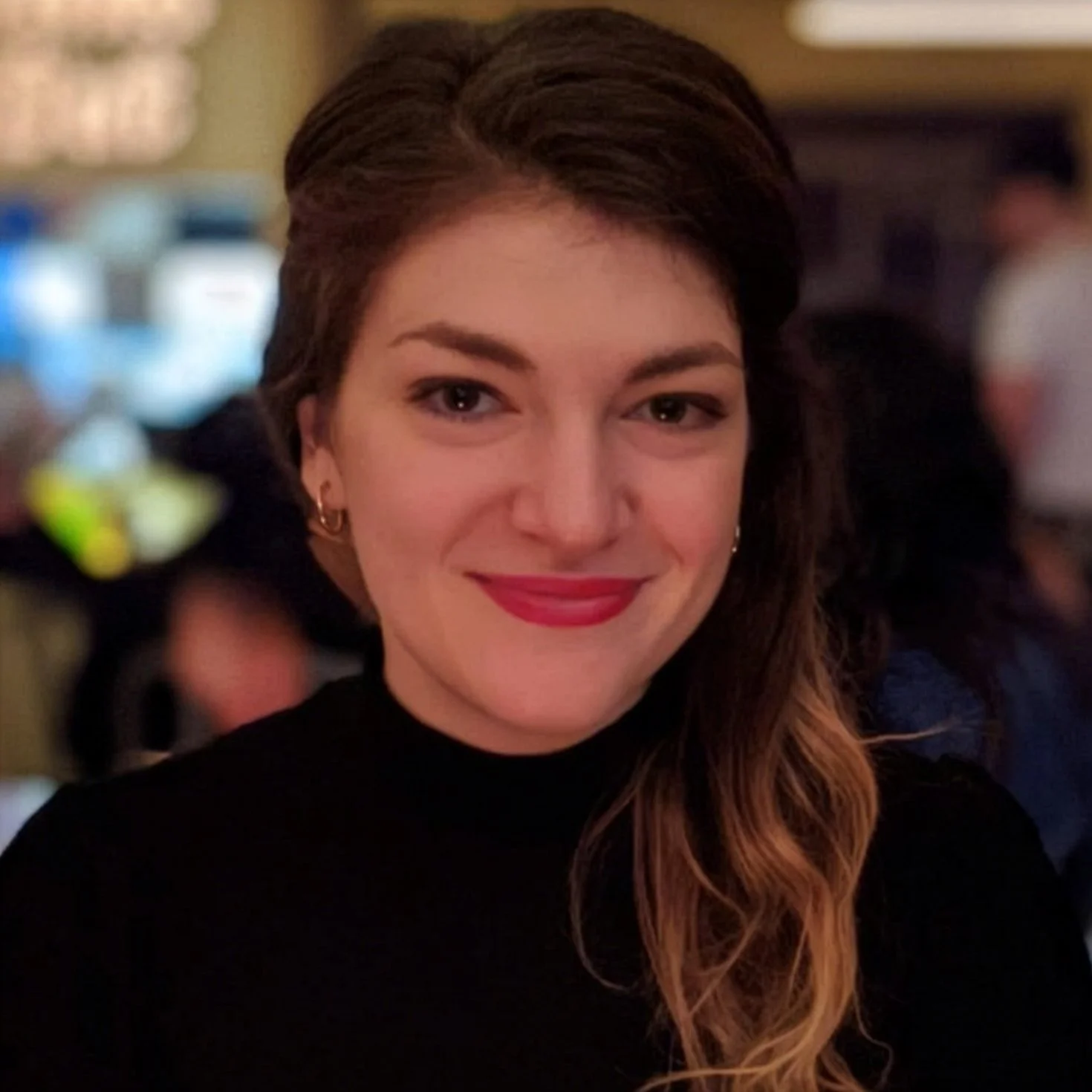
Charlotte Lieberman
Evening TV
Bio: Charlotte Lieberman is a multidisciplinary writer and creative born and raised in New York City. Currently based in Brooklyn, she holds a BA in English from Harvard University and is currently earning her master’s degree in mental health counseling from Hunter College. Her poems have been published in The Colorado Review, The Denver Quarterly, The Boston Review, and Juxtaprose, and her articles have been featured in The New York Times, The Harvard Business Review, Guernica, BOMB, and elsewhere. Alongside freelance writing and editing, Charlotte is training as a psychotherapist.
Website: http://charlottelieberman.com
Statement: Writing a poem is always kind of a mystical experience for me, regardless of how I get there. Sometimes a snippet of language or a piece of music will emerge in my head spontaneously, and it almost feels like I become a channel for something preexisting to be expressed. Other times, I try proactively to metabolize experiences through poetry — letting my own memories, questions, images, and idiosyncrasies make themselves known to me on the page. Ironically, I try not to think too much, a stark distinction from my normal operating system.
When composing “Evening TV,” I sat at my own living room window at dusk, allowing the film to loop on my laptop screen in my peripheral vision, the gentle guitar soundtrack in the background. I see now that I was toggling between various points of view in the poem, responding to different sensory inputs from different vantage points, flipping through various mental channels in the process — memory, association, hunger, anxiety, retrospection, grief. I envisioned myself within the video, embodying the feeling of the artist watching his neighbor’s eponymous evening TV; I responded to the immediacy of the lilac and amber sky darkening outside my own window on an unseasonably warm March evening in Brooklyn. The nostalgia of the phrase “evening TV” catapulted me into generalized memories of childhood — my mother watching the news, the inaccessibility of her experience, the unknowability of others, of myself, of life.
Through writing, though only clear to me in hindsight, I was able to explore the many thoughts, feelings, and associations the film evoked in me — about the isolation of selfhood, family and roles, the confinement of domestic spaces, being a woman, motherhood, permeability — between windows, screens, senses, periods of time, people, life and death.